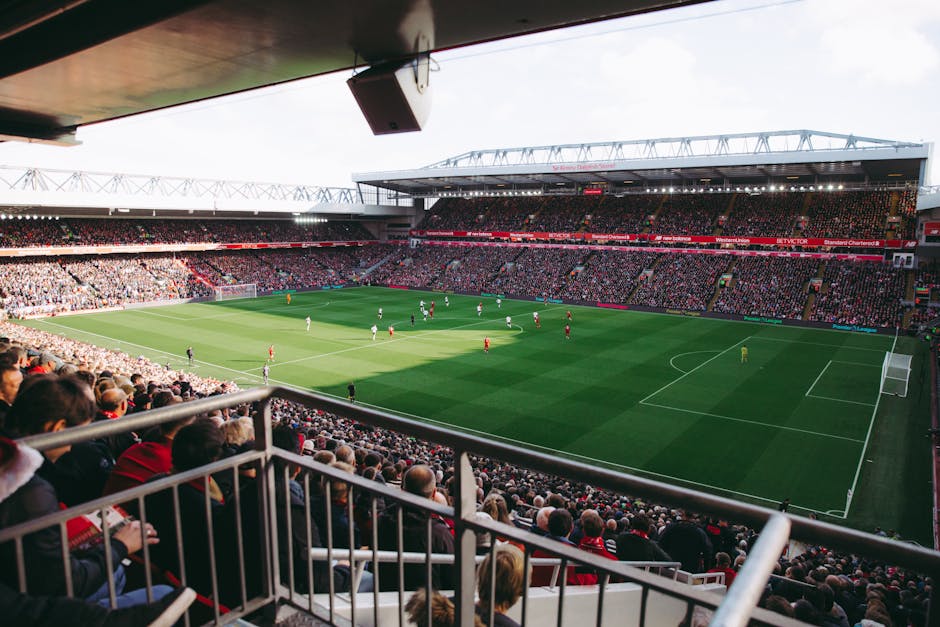
Twickenham Stadium Moving Tips for Match Day Removals
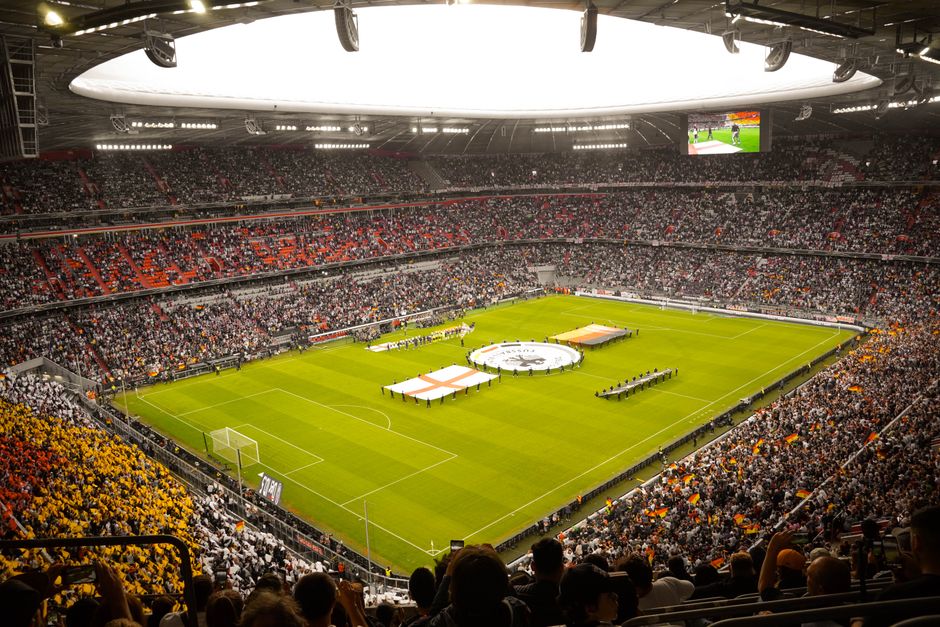
If you are planning a move anywhere near Twickenham Stadium, timing is everything. Match days can turn a normal short journey into a slow, stop-start crawl, and that matters a lot when you are trying to get a sofa through a narrow doorway, keep a van accessible, or hand keys over on schedule. These Twickenham Stadium Moving Tips for Match Day Removals are designed to help you avoid the usual headaches, stay organised, and make better decisions about routes, parking, packing, and the kind of removal support you actually need.
Whether you are moving house, shifting into a flat, relocating a small office, or just need a man with a van for a tight turnaround, a match-day move around Twickenham is very doable. It just needs a bit more planning than usual. Truth be told, the difference between a calm move and a frantic one is often only a few practical choices made early. Let's get into those.
Why Twickenham Stadium Moving Tips for Match Day Removals Matters
Moving near Twickenham Stadium is not the same as moving on a quiet suburban street. On match days, the local area can feel busier, tighter, and a little less forgiving. Roads that are normally fine may become slow-moving. Parking that looked available on a Tuesday morning may be gone by lunch. And if you have a removal van booked for a narrow delivery window, that can create a surprisingly stressful domino effect.
This matters even more if your move involves bulky furniture, fragile items, or a building with awkward access. A driver circling because of event traffic is not just inconvenient; it can mean extra labour time, impatient neighbours, and more handling of your belongings than you wanted. Nobody wants to carry a king-size mattress twice because the first loading spot was blocked. Nobody.
The practical goal here is simple: reduce friction. That means choosing the right arrival time, understanding local access issues, and matching the removal method to the day. For many people, using a service such as man and van support or a larger moving truck depends less on the size of the home and more on how accessible the street will be when football crowds and traffic are in play.
There is also a trust element. A well-prepared move feels calmer, and calmer moves usually end up cleaner, quicker, and less expensive in real terms. The job still needs doing, but it does not have to become a whole day of avoidable chaos.
How Twickenham Stadium Moving Tips for Match Day Removals Works
Match-day removals around Twickenham work best when you treat the move like a timed operation rather than a general "we'll see how it goes" day. The basics are the same as any home move: pack well, label boxes, protect furniture, and book the right transport. The difference is that you also need to factor in event congestion, road closures, crowd movement, and limited kerbside space.
In practice, that means your plan usually starts with the time of day. Before a major event, roads around the stadium can become busy early. After the event, they can stay clogged for longer than you might expect. If you are moving during one of those windows, a flexible arrival time is gold. It gives your removal team room to adjust without everything sliding off schedule.
It also means being honest about access. A ground-floor flat with on-street loading is one thing. A second-floor property with a tight stairwell and no lift is another. If you are moving from or into a property like that, a smaller vehicle may actually be the smarter choice, especially if you are using flat removals or arranging a short-notice uplift through same day removals.
Most successful match-day moves follow the same rhythm:
- confirm the route and access points early
- pack and label everything before the day
- keep essential items separate
- allow for traffic delays, not just distance
- choose a removal option that fits the street, not just the sofa
That last point is a big one. The best vehicle is not always the biggest one. Sometimes a smaller van parked legally and unloaded smoothly beats a larger truck that cannot get close enough to the door.
Key Benefits and Practical Advantages
Planning a move around stadium activity may sound fussy at first, but it pays off in very ordinary, very useful ways. The advantages show up in the small details: fewer delays, less heavy lifting, better protection for furniture, and a far lower chance of arriving exhausted before the unpacking even starts.
Here are the main benefits people notice:
- Less waiting around: The crew spends more time moving boxes and less time idling in traffic.
- Better parking decisions: You are more likely to reserve or choose a sensible loading spot.
- Lower damage risk: Fewer rushed lifts and fewer awkward handovers mean less chance of knocks and scrapes.
- More accurate scheduling: Everyone involved gets a clearer sense of how long the move will actually take.
- Less stress on the day: Which, let's face it, is worth quite a lot.
There is also a planning advantage if you are moving a larger household or a business. For example, an office relocation may not need a full-size lorry if the access is limited. In that case, an office removals approach or even a staged move using removal services can be more practical than trying to force everything into one late-afternoon slot.
For families, students, and renters, a calmer move also makes the first night much easier. You know the kettle is accessible. You know the bedding is in the right box. You know the plug adaptor, toiletries, and chargers are not buried under winter coats. Small thing? Maybe. But on moving day, small things are the whole game.
Expert summary: Around Twickenham Stadium, the best move is usually the one that works with match-day conditions rather than fighting them. Flexible timing, smart packing, and the right vehicle matter more than brute force.
Who This Is For and When It Makes Sense
This guidance is useful for anyone moving in or out of the Twickenham area when a stadium event might affect access. That includes homeowners, renters, students, landlords, office managers, and people relocating a single item or a full household. If your move date is close to a major fixture, concert, or event, you should assume traffic will be slower than normal unless you have checked otherwise.
It makes particular sense if:
- your property is on or near a route that gets busy on event days
- you need on-street loading or unloading
- you have a fixed handover time with agents or landlords
- you are moving expensive, delicate, or heavy items
- you are trying to keep the move to a short window
For smaller loads, a flexible removal van or man with van arrangement may be enough. For larger household moves, you may need a full team and a bigger vehicle, especially if there are multiple trips or several floors to manage. If you are not sure, that is normal. Most people are not expected to know the difference between a two-trip move and a one-go move before they have actually done one.
Students moving in term time also need to plan carefully. Around busy sports dates, a supposedly simple move can become awkward fast. In that situation, student removals can be a sensible fit, especially if you are carrying boxes, a bike, a desk chair, and somehow three mugs but no saucepan. That happens more than you think.
Step-by-Step Guidance
Here is a practical way to handle a move near Twickenham Stadium without making it harder than it needs to be.
1. Check the match-day calendar before you book
Before locking in your move, look at whether a stadium event falls on the same day. If it does, be conservative. Assume traffic will be heavier, parking tighter, and walk times longer. Even if your route looks short on paper, real-world access may be a different story.
2. Choose a time that avoids the main rush
Early morning can be useful if the area is still quiet. Midday can work for some moves, but it depends on the event schedule. Late afternoon and post-event windows can be the trickiest. If you can shift the move by even a couple of hours, that may save a lot of hassle.
3. Confirm loading access and parking in advance
Is there space for a van right outside? If not, where is the nearest sensible stop? Will you need to carry items down a long path or from a side entrance? These are boring questions, but they are the ones that save a move. If you are moving a heavy wardrobe or a piano, you really do not want to find out about a tight corner after the van arrives.
4. Pack in a way that speeds up unloading
Label each box clearly by room and priority. Keep essentials separate. Use sturdy boxes and enough padding for fragile items. If you need help with materials, packing and boxes support can make a big difference, and it often prevents the old "where did we put the kettle?" routine at 8 p.m.
5. Protect the awkward items first
Large mirrors, artwork, televisions, desks, and bed frames should be prepared before the main load begins. If you have anything especially delicate or specialist, such as a keyboard or upright piano, plan extra time and handling. For that, piano removals are worth considering rather than improvising with a few blankets and hope.
6. Keep a buffer in your schedule
Build in more time than you think you need. Not twice as much. Just enough to absorb the realistic delays. A 20-minute hold-up in Twickenham during event traffic can feel small, but it often nudges the rest of the day around.
7. Use storage if the timing is too tight
If your completion, tenancy handover, or office move does not line up neatly, temporary storage can take the pressure off. That is especially useful when you want to move everything out but cannot yet move everything in. A little breathing room helps. Storage is often the difference between a rushed day and a sensible one.
Expert Tips for Better Results
Here are a few things seasoned movers tend to do automatically, but first-time movers often miss.
- Move the easiest items first. Clear the hall, stairs, and main route before the heavy lifting starts. It sounds obvious, and yet clutter somehow multiplies on moving day.
- Use colour labels. A colour on each box for kitchen, bedroom, or office can make unloading faster than written labels alone.
- Keep one "do not load last" box. Put chargers, meds, snacks, toilet rolls, a Stanley knife, and basic tools in it. You will be glad you did.
- Take photos of awkward furniture before dismantling. Especially if you know there will be a bedtime conversation about which screw goes where.
- Tell neighbours if access may be blocked briefly. A quick heads-up avoids tension and sometimes saves you from a parking complaint.
One slightly underrated tip: pack for the first evening, not just for the journey. People often think about transport and forget the post-move reality. The house looks like a cardboard maze, the dog is confused, and nobody can find clean socks. A first-night bag changes all that.
If your move is business-related, it may also help to keep IT and paperwork separate from the main load. For a commercial move, that is not just tidiness; it protects the ability to reopen quickly. A business that can find its invoices and laptops by 9 a.m. is already winning.
Common Mistakes to Avoid
Most problems near Twickenham Stadium are not dramatic. They are usually small planning slips that compound. The good news is that they are avoidable.
- Assuming traffic will be "fine". It often is not on event days. Don't gamble on it.
- Booking too tight a time slot. A move with no buffer has very little room to breathe.
- Choosing the wrong vehicle size. Too small and you make extra trips; too large and you may struggle with access.
- Leaving packing until the morning. That's the fastest way to lose control of the day.
- Forgetting permits, landlord instructions, or building rules. If access is managed, learn the rules early.
- Not separating essentials. If the toothbrush is in the last box, the day is already slightly annoying.
A surprisingly common mistake is not checking whether the van can physically stop close enough to the property. This sounds basic, but a lot of moves around busy local roads depend on that detail. If the crew has to park far away and carry heavy furniture longer than expected, time and energy both disappear fast.
Another one: not planning for weather. A wet Twickenham afternoon is not exactly rare, and rain changes how long loading takes. Cardboard gets soft, carpets get messy, and everyone moves a bit more carefully. Fair enough, but it slows things down.
Tools, Resources and Recommendations
You do not need a truckload of specialist gear to manage a good move, but the right basics matter. Here is a sensible list:
- sturdy boxes in mixed sizes
- packing tape and a dispenser
- marker pens and clear labels
- bubble wrap or paper for fragile items
- blankets or furniture covers
- zip bags for screws and fittings
- basic tools for dismantling furniture
- gloves with grip for awkward lifting
- door stops and tape for keeping access clear
If you want help with the process, combining packing and unpacking services with the move itself can save time and reduce stress, especially when you are juggling work, school runs, or a completion deadline. Some people like to do everything themselves. Others would rather keep their sanity. Both are valid.
For larger moves, especially those with multiple loads, it can help to review whether a bigger vehicle or even removal truck hire is more efficient than several small trips. On a quiet day, multiple trips might feel manageable. On a match day, they can become a long afternoon. Not ideal.
Finally, if you are comparing providers, it is sensible to read company information carefully, especially around insurance and safety, health and safety policy, and pricing and quotes. That does not mean you need to become a legal expert overnight. It just means you should know who is responsible for what, and what happens if something needs extra care.
Law, Compliance, Standards, or Best Practice
For most household moves, the main compliance concerns are practical rather than legal drama. Still, there are some sensible standards to keep in mind. If you are using a removal company, it is reasonable to expect safe handling, clear communication, appropriate vehicle use, and a professional approach to access and loading. If there are stairs, shared entrances, or limited parking, the crew should plan accordingly.
In the UK, good moving practice usually includes:
- safe lifting and carrying methods
- appropriate vehicle loading and securing of items
- respect for building rules and access restrictions
- clear pricing and written expectations where possible
- careful handling of fragile or valuable items
If your building has specific access requirements, follow them. If a landlord, managing agent, or concierge has instructions, pass them on. If a move involves public access space, keep routes clear and avoid blocking pavements or entrances for longer than necessary. Nothing fancy. Just decent practice.
It is also worth checking company policies that support trust and transparency. For example, details about terms and conditions, privacy policy, and payment and security can tell you a lot about how the business operates. If the information is clear, that is usually a good sign. If it is vague, well, that tells you something too.
Options, Methods, or Comparison Table
Different move types suit different scenarios. The best option depends on volume, access, timing, and how much flexibility you have around the match-day schedule.
| Option | Best for | Pros | Watch out for |
|---|---|---|---|
| Man and van | Small flat moves, a few bulky items, student moves | Flexible, often quicker to arrange, good for tight access | May need more than one trip if the load is larger than expected |
| Removal van | Moderate household loads | Practical for local moves, easier to park than a larger vehicle | Can be too small for full family moves |
| Moving truck | Larger house moves, heavier or multi-room loads | More capacity, fewer trips | Access and parking become more important on busy match days |
| Same day removals | Urgent or fast-turnaround relocations | Useful when timing changes suddenly | Less flexibility if the road network is already congested |
| Storage plus staged move | Delayed completions, uncertain handovers, phased moves | Reduces pressure and gives breathing room | Needs extra coordination and a second move later |
If you are choosing between methods, ask yourself one simple question: what is the real bottleneck, the amount of stuff or the access conditions? Around Twickenham Stadium on match day, access is often the bigger issue. That changes the answer.
Case Study or Real-World Example
Here is a realistic example. A couple moving from a two-bedroom flat near Twickenham planned to leave on a Saturday morning, not realising there was a stadium event later that day. They had boxes ready, but no clear loading plan. The first removal team arrival time looked fine on paper, yet the route in was slower than expected, and street parking had become tight.
Instead of forcing the issue, they shifted the load earlier, used a smaller vehicle for the first run, and moved fragile items separately. The less urgent furniture went into storage for a short period, which took the pressure off the handover. It was not glamorous. No one was cheering. But it worked.
The real lesson was not that the move became perfect. It was that they stopped trying to make it a normal day. Once they accepted the event traffic, the whole plan got better. A bit of flexibility saved the mood, and the sofa arrived without a scratch. Which, frankly, is a pretty decent outcome.
Practical Checklist
Use this checklist to stay on top of the details before match day:
- Check whether a Twickenham Stadium event falls on your move date
- Confirm access, parking, and loading space at both properties
- Choose the right vehicle size for the property layout
- Book flexible timing if possible
- Pack fragile items securely and label every box
- Keep essentials separate for the first night
- Tell neighbours or building management if access may be affected
- Prepare furniture that needs dismantling in advance
- Protect floors, corners, and door frames where needed
- Set aside documents, keys, chargers, and valuables
- Consider storage if move-out and move-in timings do not line up
- Review insurance and service terms before confirming the booking
If you like having a second set of eyes on the plan, this is also the point where it helps to speak with a local team that understands the area and the timing pressures. In some cases, a straightforward home moves booking is enough; in others, a more tailored approach is better. The right answer depends on your day, not just your postcode.
Get a free quote today and see how much you can save.
Conclusion
Twickenham Stadium match days do not have to derail a move. They just ask for better timing, better packing, and a little more realism about traffic and access. If you build a buffer, choose the right vehicle, and keep the day flexible where you can, the move becomes much easier to handle.
The best Twickenham Stadium Moving Tips for Match Day Removals are not flashy. They are practical. Check the calendar. Protect your items. Plan the route. Keep the essentials close. And if the timing feels tight, use storage or a smaller, more agile moving option rather than trying to fight the street layout.
Above all, keep the day human. Things may not run perfectly. That is fine. With a sensible plan, they can still run well enough-and that is what really matters when you are carrying the last box through the front door.
Frequently Asked Questions
Can I move house near Twickenham Stadium on a match day?
Yes, you can, but it is usually better to plan carefully and allow extra time. Match-day traffic and parking pressure can make access slower than normal, so a flexible schedule helps a lot.
What is the best time of day for removals around Twickenham Stadium?
Earlier in the day is often easier, especially before the busiest pre-event traffic builds. The exact timing depends on the event, but avoiding peak crowd movement is usually the safest bet.
Should I choose a smaller van or a larger truck?
That depends on the property access and the amount you are moving. A smaller van can be better on busy match days if parking is tight, while a larger truck may suit bigger household loads if access is straightforward.
Do I need storage if my move is on a busy stadium date?
Not always, but storage can be very helpful if completion times are uncertain or you need to split the move into stages. It gives you breathing room when the schedule is awkward.
How far in advance should I book a removal service?
As early as possible, especially if your date is near a known event. The more notice you give, the easier it is to plan vehicle size, arrival time, and access.
What should I do if parking near my property is limited?
Confirm the nearest loading point before moving day and tell your removal team about it. If possible, arrange for someone to help reserve a legal space, or at least identify a workable stopping point.
Are same-day removals a good idea near Twickenham Stadium?
They can work for urgent moves, but they need even more care on match days. If you have the option to plan ahead, that is usually smoother.
How can I protect furniture during a match-day move?
Use blankets, padding, and proper wrapping for corners and surfaces. Secure loose parts, dismantle items where sensible, and keep fragile pieces separate from heavy boxes.
Is a man and van service enough for a small flat move?
Often, yes. For a smaller flat or a limited load, a man with a van style move can be practical and flexible, especially if access is tight.
What if my move-out and move-in times do not match?
That is where storage can help. It lets you move out on time without rushing the whole load into the new place before you are ready.
Should I tell my landlord or building manager about the move?
Yes, if access is controlled or shared. Giving notice can avoid surprises with lifts, keys, loading bays, or building rules. A simple heads-up is usually enough.
What are the main mistakes people make on Twickenham match days?
The biggest ones are underestimating traffic, booking too tightly, and leaving packing too late. The move itself may be straightforward; the timing is what usually causes trouble.
Where can I find more information about the company's policies?
You can review company pages such as about us, insurance and safety, and recycling and sustainability to understand how the service is run and what standards it follows.
If you are moving near Twickenham Stadium, a calm plan is worth more than a rushed one. Take your time with the details, and the day will feel much more manageable.